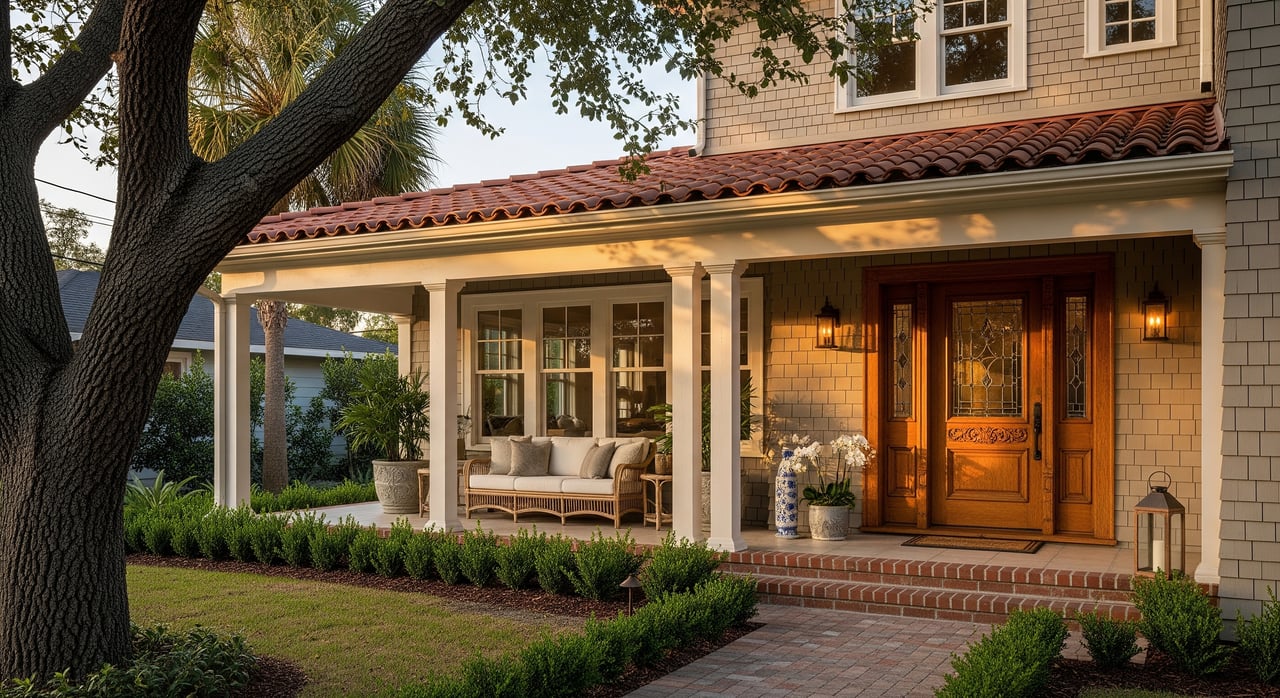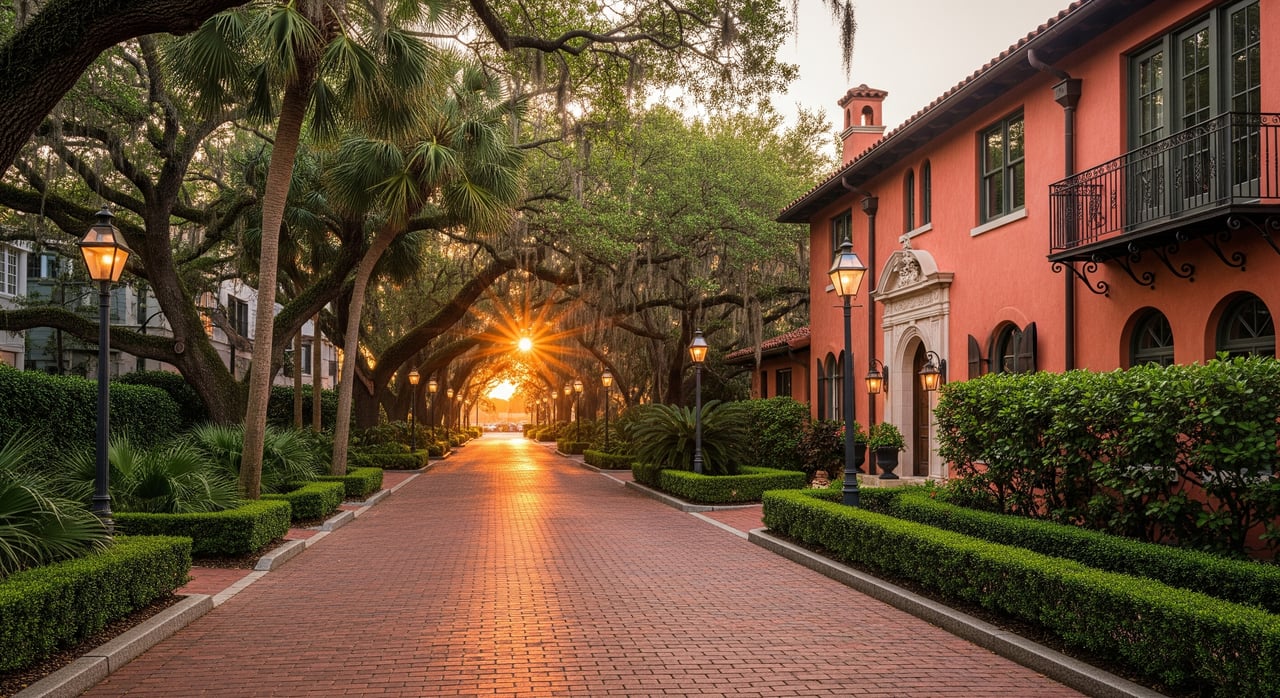
You love the charm of Historic Uptown’s brick streets, but making your home pop without clashing with history can feel tricky. Buyers notice that timeless look the moment they pull up, and small choices at the curb can make a big difference. In this guide, you’ll learn what works on brick-fronted blocks in St. Petersburg, what needs permits, and how to plan for coastal weather and flooding. Let’s dive in.
Why brick streets matter in Historic Uptown
Historic Uptown is known for early 20th-century homes, brick streets, hex-block sidewalks, and granite curbing. The local neighborhood association helps keep that identity strong and is a helpful resource for residents and sellers who want to stay aligned with community standards. You can learn more through the Historic Uptown Neighborhood Association.
The City of St. Petersburg treats brick streets as character-defining features. City planning maps and preservation programs identify where brick, hex-block, and related materials are present so they can be protected. Explore the City’s preservation layers in the Historic Preservation GIS map and see how long-range planning reinforces these priorities in STPETE2050.
Design moves that fit the street
Preserve and highlight the brick
- Keep views of the brick street and granite curb open. Low parkway planting or lawn strips help the historic materials read clearly from the sidewalk.
- Choose period-appropriate accents that do not dominate the façade, like traditional mailboxes, simple picket or iron fences, and low hedges.
Hardscape that fits
- If you need a new driveway apron or curb cut, get permits before you start. St. Petersburg requires permits for work in the public right of way, and details matter when an apron crosses brick. Review the City’s residential driveway permit guidance.
- For private hardscape, use compatible materials such as interlocking pavers, concrete wheel strips, or restrained paver patterns. Avoid large, visually heavy asphalt aprons that conflict with the brick.
Planting for coastal conditions
St. Petersburg has warm, humid weather with most rain falling from June through September. Plan for heavy summer showers and tropical systems when you choose plants and shape drainage, based on local climate normals.
- Prefer salt-tolerant, low-maintenance species for parkways and front beds. Options suited to coastal Pinellas include muhly grass, beach sunflower, saw palmetto, firebush, and bougainvillea. See UF/IFAS guidance on salt-tolerant plants.
- Keep taller plantings away from curb and sidewalk edges to maintain clear sightlines and reduce root conflicts.
Shade trees without sidewalk damage
- Select species with appropriate mature size and upright root habits, and plant with enough soil volume for long-term health. UF/IFAS explains root behavior and design strategies in its urban roots guidance.
- If existing roots are lifting bricks or sidewalks, explore mitigation techniques such as gentle ramps, root-friendly paving systems, or engineered transitions rather than cutting major roots.
Stormwater that works with brick
Historic brick streets often allow some infiltration through joints and bedding. Your private site work can complement that permeability.
- Use permeable pavers for driveways and paths, add small rain gardens or bioretention, and grade lawns to slow and soak runoff. The EPA outlines benefits of permeable pavement.
- Always align designs with city and county stormwater and flood requirements, especially if you are in or near a flood zone.
Night lighting and house numbers
- Choose pedestrian-scale fixtures with warm color temperature and modest styling to complement historic architecture.
- Keep house numbers readable from the sidewalk using simple metal or wood plates that fit the period character supported in city planning guidance.
Color and porch details that photograph well
- Historic palettes with soft pastels or muted tones tend to flatter brick streets in listing photos.
- Keep porches tidy, hedges trimmed, and sightlines to the street clear. Small, authentic details read well in person and online.
Permits, costs, and timing
Right of way and driveway rules
- Any work that touches the curb, apron, or sidewalk generally needs a city permit. Expect utility locates, inspections, and restoration requirements. Start with the City’s driveway permit brochure.
- After public works or utility projects, the City may restore the right of way using its standard materials. Get approvals and responsibilities documented in writing before work begins.
Working around utilities
Brick paving can be disturbed by utility repairs. In some cases cities replace disturbed areas with materials that differ from the original. Local reporting on St. Pete’s historic bricks highlights why coordination matters; plan ahead and keep records when projects are scheduled on your block. See this background on the area’s brick story from I Love the ‘Burg.
Budget smarter for brick work
Historically sensitive hardscape and brick repair often cost more than standard asphalt work because they require specialized labor and material matching. Vet contractors with relevant experience and request written methods for salvaging or matching historic materials.
Keep the neighborhood looped in
Your neighborhood association and the City’s Historic Preservation staff can help you align with expectations before you spend money. Coordinated efforts often lead to better outcomes and fewer surprises.
Quick curb appeal checklist
- Verify your flood risk and elevation before regrading or adding planting beds using the county’s flood map service center.
- Confirm whether a driveway or curb permit is required before you touch the apron or sidewalk.
- Choose salt-tolerant, low-root-aggressive plants for parkways.
- Favor compatible materials for private hardscape near brick streets, such as pavers or concrete wheel strips.
- Photograph the intact brick, curb details, canopy, and layered front planting for your listing.
Selling or buying on a brick street
Brick streets are a visible historic asset that can raise neighborhood desirability. They also come with conditions that affect what you can change and how you maintain it. By planning for permits, picking compatible materials, and using coastal-tough plants, you position your home to show beautifully while respecting Historic Uptown’s character.
Ready to tailor a curb appeal plan that aligns with local rules and buyer expectations in Historic Uptown? Connect with Judy Anderson for neighborhood-smart guidance and a smooth path to the closing table.
FAQs
What permits apply to driveway work on brick streets in St. Petersburg?
- Most curb cuts, apron changes, and sidewalk modifications require a city permit and inspections. Start with the City’s driveway permit brochure and get approvals in writing before hiring a contractor.
Do brick streets help with drainage compared to asphalt?
- Brick streets are often laid over sand or open-graded bedding that can allow some infiltration through the joints. Your private site can support this with permeable pavers, rain gardens, and careful grading.
Which plants handle salt near Tampa Bay for front strips?
- Consider salt-tolerant choices such as muhly grass, beach sunflower, saw palmetto, firebush, and bougainvillea. Check UF/IFAS resources for site-specific recommendations.
How can I prevent tree roots from lifting sidewalks or bricks?
- Select appropriately sized species, provide adequate soil volume, and use root-friendly paving transitions. Avoid cutting major roots, which can harm tree stability and health.
How do I check flood risk before investing in landscaping?
- Review your address in the county’s flood map service center and factor those designations into grading, plant selection, and insurance considerations.