If you are drawn to Historic Uptown, chances are you are not looking for a cookie-cutter house. You are probably looking for character, a strong sense of place, and a home that feels connected to the street and the neighborhood around it. In this guide, you’ll learn which home styles show up most often in Historic Uptown, how they tend to live day to day, and what to watch for as you tour. Let’s dive in.
Historic Uptown’s architectural backdrop
Historic Uptown’s historic core is closely tied to the Round Lake Historic District, which is listed on the National Register of Historic Places. The district is roughly bounded by 5th Avenue N, 9th Street N, 13th Avenue N, and 4th Street N, with a period of significance from 1900 to 1974 and residential construction dating roughly from 1906 to 1953.
That historic fabric is still a major part of the neighborhood’s appeal. In the district survey, 1,000 resources were classified as contributing and 92 as noncontributing, which helps explain why the area still feels visually cohesive and distinctly historic.
The streetscape matters here too. Historic Uptown is known for its grid layout with alleys, brick paving, granite curbs, and original hexagonal block sidewalks in many areas, all of which shape the way homes sit on their lots and how the neighborhood feels when you walk or drive through it.
Craftsman bungalows stand out
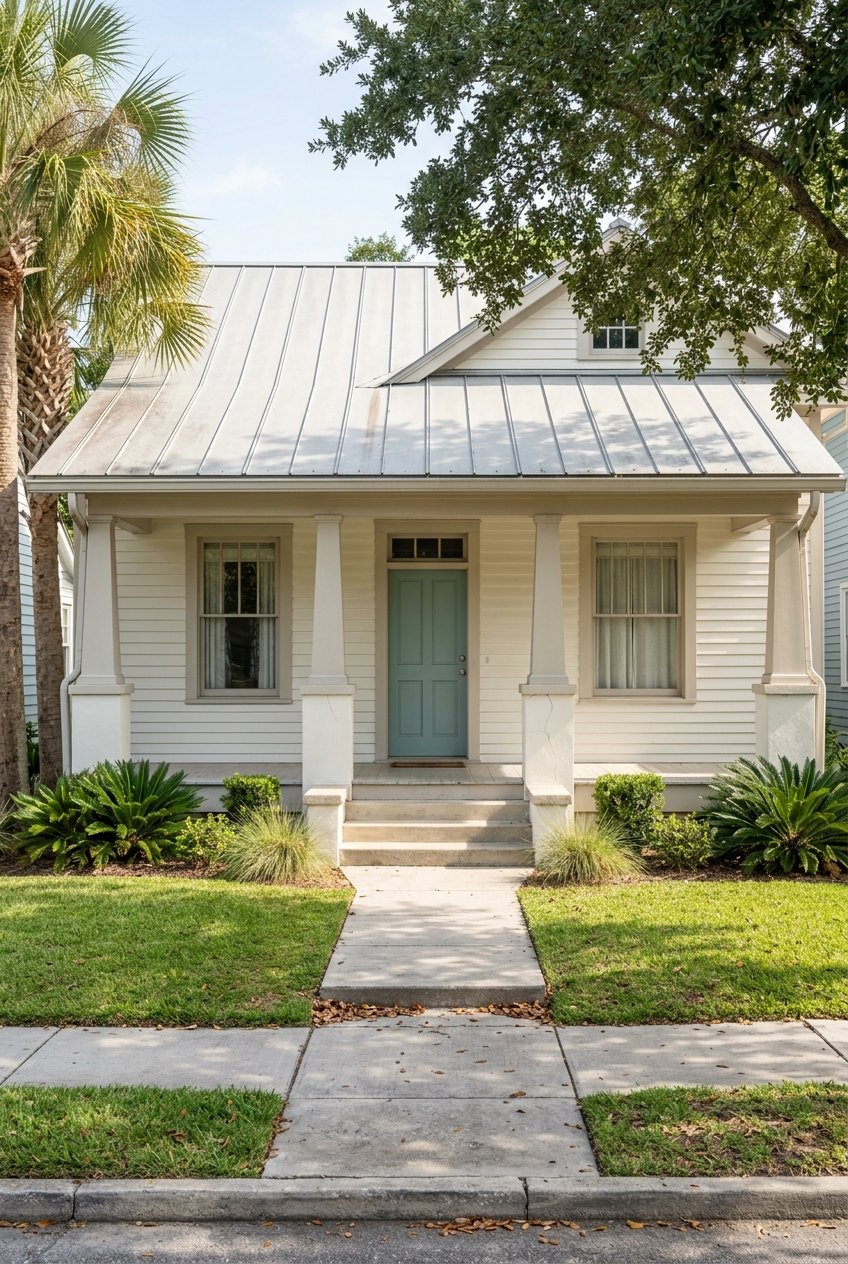
Craftsman bungalows are one of the defining home types you are likely to see in Historic Uptown. These homes are typically one to one-and-a-half stories with low-pitched roofs, wide eaves, deep front porches, and details like exposed rafters or decorative brackets.
For many buyers, the porch is the first thing that makes these homes memorable. In Historic Uptown, bungalows often have a strong connection between the front porch, the front yard, and the street, which gives them a welcoming, porch-forward feel.
Inside, the layout usually feels more compact and segmented than a newer open-concept home. That can be a plus if you like defined rooms and historic trim, but it is something to notice during showings if your must-have list includes large, open living spaces.
Vernacular homes offer simpler character
Frame vernacular and masonry vernacular homes are also part of Historic Uptown’s architectural mix. These homes are generally simpler in design, with more straightforward floor plans and less ornament than some of the neighborhood’s more visually dramatic properties.
That simplicity can appeal to buyers who want historic character without as many decorative features to maintain. These homes may also represent a different entry point depending on condition, updates, and location within the neighborhood, though every property should be evaluated on its own merits.
Secondary buildings in the district are often simple frame structures as well. That means you may see a main house with a more modest architectural profile paired with a useful rear building that adds flexibility.
American Foursquare adds room to grow
If you want more square footage while keeping historic appeal, American Foursquare homes are worth knowing. This style is often described as a two-story box with a low-pitched hip roof, wide overhanging eaves, a symmetrical front facade, and a full-width front porch.
These homes often provide a more traditional interior arrangement. A classic first floor is organized around four main rooms and a central hall, which can make the space feel more structured and formal than a bungalow.
In practical terms, a Foursquare may suit you if you want historic charm but need more usable room for everyday living, guests, or work-from-home needs. You still get the street presence and architectural character, just with a different layout and scale.
Revival styles bring decorative detail
Historic Uptown also includes several Revival-era styles, including Colonial Revival, Classical Revival, Tudor Revival, Mission, and Mediterranean Revival. These homes add variety to the neighborhood and can feel more decorative or more substantial depending on how they have been preserved or updated.
Mission and Mediterranean-influenced homes often stand out with stucco exteriors, flat or low-pitched roofs, deep openings, arched details, and sometimes red tile roofing. If you like a home with a stronger architectural statement, these are worth a close look.
The district also includes later-period styles like Art Moderne and Minimal Traditional. Those homes can feel a bit simpler or more streamlined, which may appeal to buyers who want historic context with less ornamentation.
Accessory buildings matter here
One of the more practical things to understand about Historic Uptown is that the property itself may include more than just the main house. The district includes garage apartments, detached apartment buildings, and other secondary dwellings behind primary homes.
Garage apartments commonly place the garage on the first floor with a living unit above. In some cases, older second-story porches have been enclosed over time, so each property can present a different mix of original character and later modifications.
For buyers, this can create useful flexibility. Depending on zoning and renovation history, a rear structure may support guest space, a home office, multigenerational living, or possible rental use, so it is smart to ask detailed questions about how each structure has been used and improved.
What the lots and outdoor spaces feel like
Historic Uptown tends to offer a porch-forward, alley-oriented living pattern rather than a suburban setup with a wide driveway and a large front lawn. Many homes sit on single lots with accessory buildings behind them, and the neighborhood’s historic pattern places a lot of value on how the house meets the street.
That means outdoor space may feel more layered than expansive. The front porch, front yard, side access, and rear service area all matter, and the most usable outdoor living space is not always obvious from the curb.
Bungalows often have the strongest porch-to-yard connection. Foursquare homes usually present a more formal and symmetrical street view, while properties with garage apartments or rear structures may offer more functional space behind the main home.
If off-street parking, a large side yard, or a more open lot is high on your list, you may need to be selective. The neighborhood’s appeal often comes from its historic lot pattern, not oversized outdoor space.
Curb appeal comes from the whole streetscape
In Historic Uptown, curb appeal is about more than the house itself. Brick streets, granite curbs, and hexagonal sidewalks help create a setting that gives even modest homes a strong historic presence.
That broader streetscape can be part of what buyers fall in love with. When you tour homes here, it helps to look beyond interior finishes and pay attention to how the property fits into the block, how it addresses the street, and how the surrounding homes contribute to the overall feel.
The neighborhood association also adds to that sense of place. Historic Uptown has a volunteer-run association known for porch parties, Round Lake cleanup projects, and other neighborhood gatherings that reinforce the area’s block-by-block identity.
Maintenance deserves a close look
Owning an older home usually means a more hands-on maintenance experience than owning a newer build. In Historic Uptown, that can vary significantly because the housing stock includes both wood-frame and masonry or stucco construction.
As you evaluate homes, pay close attention to the roof, porch structure, windows, paint or stucco condition, and any rear additions or accessory buildings. The historic district survey notes that changes like replacement windows, enclosed porches, and additions can weaken a property’s historic character, and in some cases they affect whether a property is considered contributing or noncontributing.
That does not automatically make a home a bad fit. It simply means buyers should look carefully at what is original, what has been altered, and what future upkeep may involve.
Renovation rules can vary by address
If you are planning exterior changes, additions, or a major renovation, it is important to verify the property’s designation before you buy. St. Petersburg’s code states that historic properties may be required to obtain a certificate of appropriateness under the City Code, and the city’s GIS separately maps National Register historic districts and local historic districts.
In plain terms, review steps may depend on the specific parcel. A home that sits within a National Register district may not have the same local review requirements as a property with local historic designation, so this is something to confirm early if renovation plans are part of your decision.
This is one area where careful, address-specific due diligence can save time and frustration later. If a remodel opportunity is part of your plan, make sure you understand the approval path before you close.
Weather resilience should be part of your tour
In St. Petersburg, weather resilience is part of the buying conversation, especially with older homes. A neighborhood climate model cited by Redfin rates Historic Uptown as having minor flood risk, extreme wind risk, and extreme heat risk.
That risk data is model-based, so it is not a substitute for inspections or property-specific review. Still, it gives useful context when you compare homes with different roof ages, drainage setups, tree coverage, ventilation, and window performance.
For many buyers, the smartest approach is to balance charm with practical resilience. A beautiful historic home can be a great fit, but you will want a clear picture of near-term and long-term maintenance needs.
Historic Uptown spans multiple price points
Historic Uptown does not fit into just one price tier. Redfin reported a median sale price of about $639,762 for the three months ending April 2026, with homes selling in about 47 days on average and a 95.2% sale-to-list ratio.
The neighborhood also shows a wide spread in actual sales and active listings. Recent examples ranged from a 2-bedroom, 1-bath, 858-square-foot home at $300,000 to a 7-bedroom, 6-bath, 3,409-square-foot home at $1.05 million, while current active examples included smaller homes in the mid-$400,000s and larger renovated properties above $1.4 million.
That range is one reason style matters so much here. A bungalow, a vernacular cottage, a Foursquare, and a renovated Revival home can all deliver very different experiences, both financially and functionally.
How to choose the right style
The best Historic Uptown home for you depends on how you want to live. If you love front-porch living and compact historic charm, a Craftsman bungalow may be your match.
If you want a simpler footprint or are exploring value-add potential, a frame or masonry vernacular home may be worth a closer look. If you need more room and a more formal layout, an American Foursquare may check more boxes.
And if you are drawn to architecture with more decorative detail, a Revival-style home may feel especially compelling. The key is to tour with both your heart and your checklist, because in a historic neighborhood, beauty and practicality need to work together.
When you are comparing homes in Historic Uptown, it helps to have someone who understands not just price, but the differences between blocks, property types, lot patterns, and renovation questions. If you want a steady local guide as you explore historic homes in St. Petersburg, reach out to Judy Anderson for thoughtful, neighborhood-focused support.
FAQs
What home styles are most common in Historic Uptown?
- Historic Uptown includes Craftsman bungalows, frame vernacular homes, masonry vernacular homes, American Foursquare houses, and several Revival-era styles such as Colonial Revival, Classical Revival, Tudor Revival, Mission, and Mediterranean Revival.
What does a Craftsman bungalow in Historic Uptown usually look like?
- A Craftsman bungalow in Historic Uptown is typically one to one-and-a-half stories with a low-pitched roof, wide eaves, a deep front porch, and a more compact, room-by-room interior layout.
Do Historic Uptown homes often have garages or guest spaces?
- Some Historic Uptown properties include garage apartments, detached apartment buildings, or other secondary dwellings behind the main house, which may offer flexible space depending on zoning and renovation history.
Are Historic Uptown lots usually large?
- Many Historic Uptown homes sit on single lots in a porch-forward, alley-oriented pattern, so outdoor space often feels more functional and layered than wide and expansive.
Do buyers need to check renovation rules for Historic Uptown homes?
- Yes. St. Petersburg says some historic properties may require a certificate of appropriateness, so buyers planning exterior changes or additions should verify the specific designation and review requirements for the address they are considering.
What should buyers inspect closely in older Historic Uptown homes?
- Buyers should pay close attention to roof condition, porch structure, windows, paint or stucco, drainage, and any additions or rear accessory buildings, since maintenance needs can vary widely by property type and condition.
What is the Historic Uptown housing market like?
- Redfin reported a median sale price of about $639,762 for the three months ending April 2026, with an average of 47 days on market and a 95.2% sale-to-list ratio, while pricing in the neighborhood spans from smaller homes to large renovated properties above $1.4 million.