Can you have front‑porch charm and downtown access in the same neighborhood? If you’re eyeing St. Petersburg, Historic Uptown delivers that mix of character and convenience that is hard to find. You want tree‑lined streets, classic architecture, and an easy hop to restaurants, museums, and waterfront parks. In this guide, you’ll learn what living here feels like, the types of homes you’ll find, smart buyer checks for older properties, and the basics on permits, insurance, and rentals. Let’s dive in.
Why Historic Uptown stands out
Historic Uptown sits close to St. Petersburg’s urban core, so you can enjoy a neighborhood feel without giving up city access. Streets often feature mature trees, cozy front porches, and period details that create a walkable, welcoming vibe. You’re a short bike ride or quick drive from downtown dining, events, and waterfront green space.
Many blocks include smaller lots and a tight street grid, which adds to the pedestrian feel. If you enjoy stepping out your door for a coffee or an evening stroll, this setting fits that lifestyle.
Architecture and housing types
Bungalows and Craftsman cottages
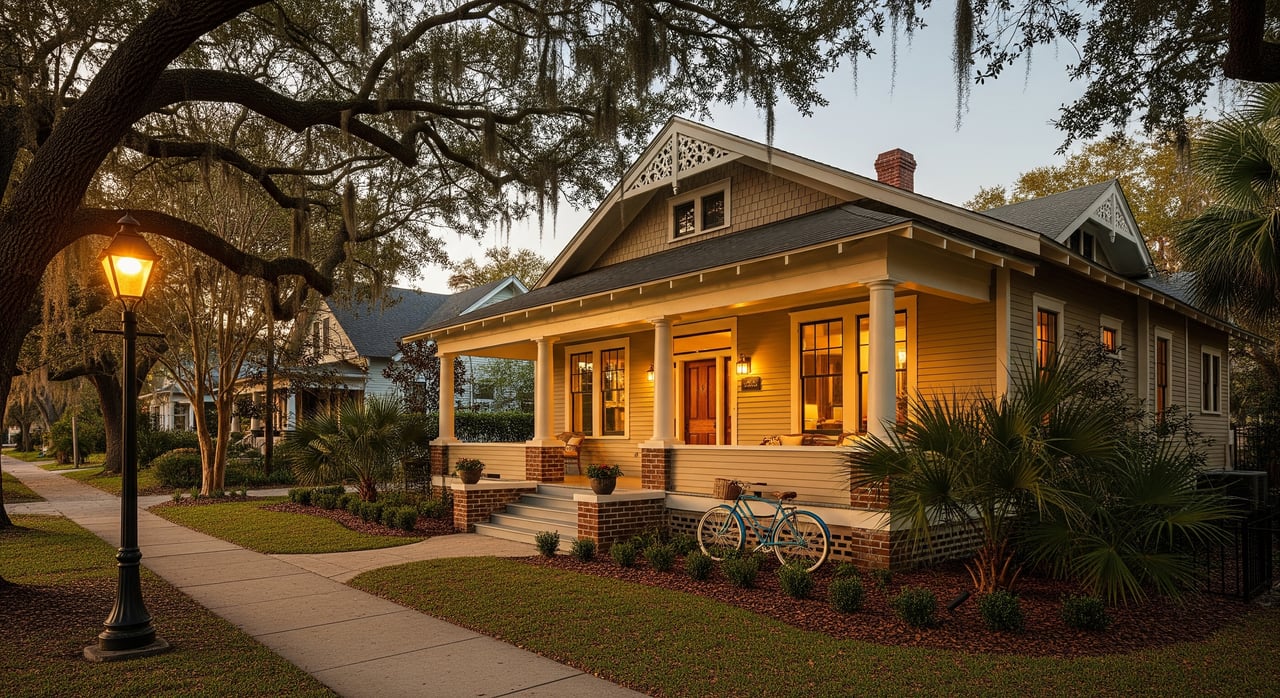
You’ll see early‑to‑mid‑20th‑century bungalows and Craftsman cottages with wood trim, original floors, and inviting porches. Many have been updated over time, but the core character remains a draw.
Mediterranean and revival styles
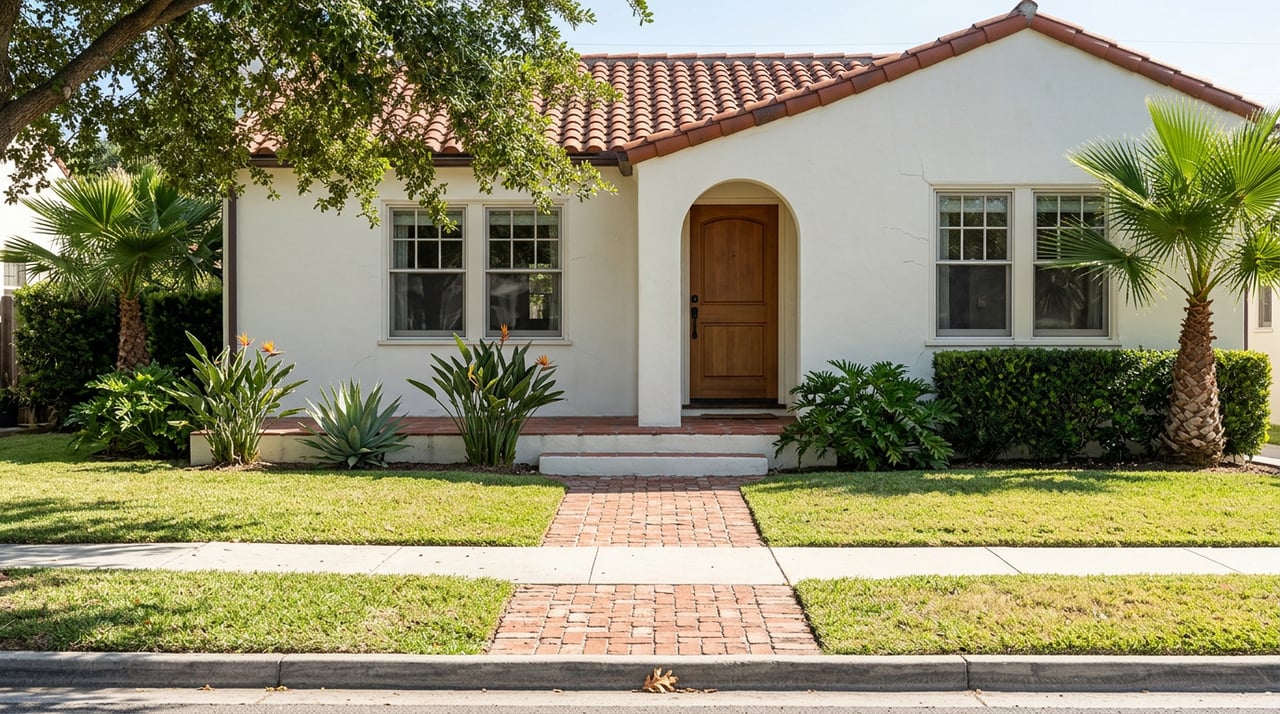
Mediterranean Revival and other revival styles from the 1920s and 1930s also appear in the area. Look for stucco exteriors, arched openings, and decorative details that add variety to the streetscape.
Small two‑story homes and multi‑units
Some blocks include small two‑story homes and modest multi‑unit buildings. These properties can offer flexible living arrangements or potential rental income, subject to city rules.
Everyday convenience
Getting around
Living here means short trips for most daily needs. Many residents walk or bike, and local bus service is available through the Pinellas Suncoast Transit Authority. If you commute, you’ll appreciate quick access to downtown and major corridors.
Parks and culture nearby
Downtown St. Petersburg’s museums, venues, and waterfront parks are close by. To plan your outings, explore the City’s resources on parks, culture, and neighborhood services at the City of St. Petersburg.
Retail and dining
Expect a mix of neighborhood‑scale cafés, restaurants, galleries, and services along nearby commercial corridors. Options evolve, so it helps to walk the area at different times of day to get a feel for your routine.
What to know before you buy
Inspection priorities for older homes
Older Florida homes can hold incredible charm, but they often need system updates. During your inspection period, prioritize:
- Structure and pests: foundation, wood‑destroying organisms, and termite activity
- Roof: age, condition, and remaining life
- HVAC: system age and performance
- Electrical: panel capacity and any outdated wiring
- Plumbing: supply lines and drains, especially if older materials are present
- Moisture: drainage, grading, and signs of mold
- Environmental: potential lead paint or asbestos in pre‑1978 homes if you plan renovations
- Storm readiness: impact‑rated windows, shutters, and tie‑down features
A preservation‑minded contractor can help you maintain original finishes while improving function.
Flood and insurance basics
Parts of Pinellas County are low‑lying. Before you write an offer, check the parcel’s FEMA flood zone using the FEMA Flood Map Service Center. If a property is in a Special Flood Hazard Area, most lenders require flood insurance. Windstorm coverage and roof condition also affect premiums. Get quotes early to understand your total cost of ownership.
Historic guidelines and permits
Some properties or blocks may fall within a historic district or include designated structures. This can shape exterior changes, materials, and timelines. Review guidelines and permitting steps with the City’s Historic Preservation resources at the City of St. Petersburg before planning major work.
Zoning, rentals, and ADUs
Zoning determines what you can build and how you can use the property. If you’re exploring an accessory dwelling unit, additions, or a potential rental, verify permitted uses and setbacks through city zoning resources at the City of St. Petersburg. St. Petersburg also regulates short‑term rentals and transient uses. Registration, licensing, and local standards may apply, so confirm current rules before you buy with rental goals in mind.
Market approach and resale
Character homes close to downtown tend to stay in demand because of location and scarcity. To understand value by block, pair a neighborhood tour with current comparable sales from the MLS through your agent. For parcel details like lot size, building age, and recorded data, use the Pinellas County Property Appraiser.
Updates that preserve original features while modernizing systems usually support long‑term appeal. Heavy alterations that remove defining elements can affect how future buyers view the home.
How to choose the right block
- Walk the streets at different times to gauge activity, lighting, and noise patterns.
- Note parking options. Some homes have driveways or small garages, while others rely on street parking.
- Check lot size, yard maintenance needs, and sun exposure for gardening.
- Test your daily trips by foot, bike, bus, or car to confirm commute and errands.
- If you plan to renovate, contact the City early to discuss potential design review and permits.
Ready to explore Historic Uptown?
If you want porch charm with city convenience, Historic Uptown is worth a close look. You can enjoy a walkable setting, classic architecture, and quick access to St. Petersburg’s best cultural spots, all within a compact neighborhood feel. If you’re comparing blocks, weighing inspection findings, or planning updates, a local guide makes a difference.
For hands‑on help touring homes, checking comps, and navigating permits and insurance, connect with Judy Anderson. Let’s find the right fit for your lifestyle and budget.
FAQs
How close is Historic Uptown to downtown St. Pete?
- You’re typically a short walk, bike ride, or drive from downtown restaurants, museums, and waterfront parks; map a sample address to confirm exact distances.
What home styles will I find in Historic Uptown?
- Expect bungalows, Craftsman cottages, Mediterranean Revival, and other revival styles, plus some small two‑story homes and modest multi‑units.
Are there historic restrictions on renovations in Historic Uptown?
- Possibly. Check with the City’s Historic Preservation resources at the City of St. Petersburg to understand design review and guidelines.
Do I need flood insurance in Historic Uptown?
- It depends on the parcel’s FEMA flood zone. Verify at the FEMA Flood Map Service Center and discuss lender requirements with your agent and insurer.
What inspections matter most for older homes in Historic Uptown?
- Focus on structure, roof, HVAC, electrical, plumbing, moisture, environmental items in pre‑1978 homes, and storm‑readiness features.
Is public transit available in Historic Uptown?
- Yes. Bus service is provided by the Pinellas Suncoast Transit Authority; review routes and schedules for your commute.