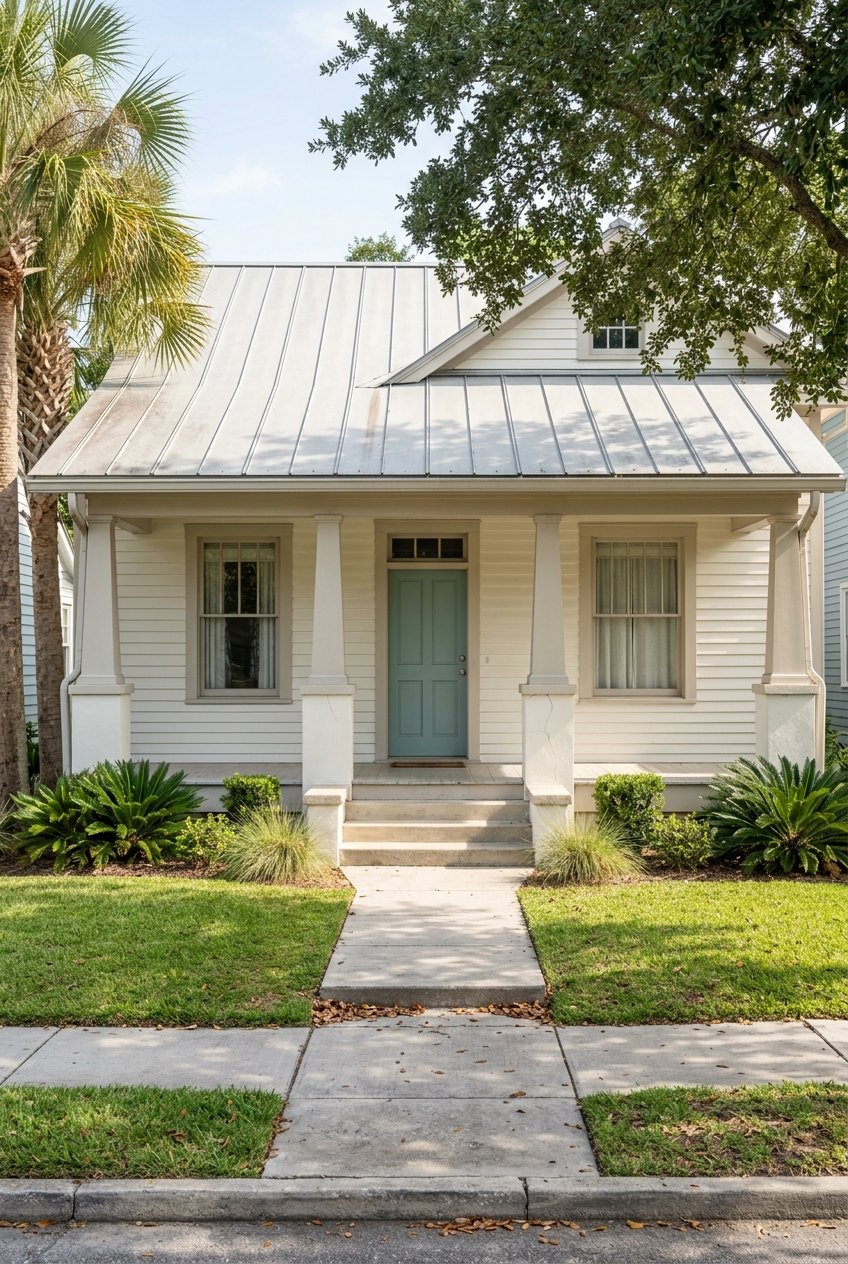
If you own a historic home in Historic Uptown, selling it can feel like walking a fine line. You want to protect the character that makes your property special, but you also want to attract serious buyers and avoid delays. The good news is that with the right pricing, prep, and local planning, you can position your home more effectively and move through the process with fewer surprises. Let’s dive in.
Why Historic Uptown Requires a Smart Strategy
Selling in Historic Uptown is not the same as selling a newer home in a nearby neighborhood. Buyers often notice original details, craftsmanship, and curb appeal right away, but they also pay close attention to condition, maintenance, and documentation.
Recent market data shows that Historic Uptown homes are trading around the mid-$600,000s. Redfin reported a median sale price of $639,762 over the three months ending April 2026, while Realtor.com reported a May 2026 median sold price of $642,500, with homes spending about 47 to 48 days on market. That means your home may have strong interest, but success still depends on realistic pricing and thoughtful presentation.
Realtor.com also reported a median listing price of $699,000 and a 98% sale-to-list ratio with 25 active listings. In practical terms, that suggests buyers are still engaging, but they are not overlooking pricing mistakes or visible condition issues.
Price for Today’s Buyer
One of the biggest mistakes a seller can make is assuming historic charm alone will carry the price. Character absolutely matters, but buyers are still comparing your home to recent sales, current competition, and the amount of work they think they may need to take on.
A smart pricing strategy in Historic Uptown should look at:
- Recent sold comparable homes
- Current active listings competing for attention
- Your home’s condition
- The quality and preservation of original features
- Any visible deferred maintenance
Based on the current research, listings appear to be landing in the high-$600,000s to low-$700,000s, while actual sale prices are closer to about $640,000 to $642,500. That gap matters. If you price too high and expect buyers to simply “get” the value, your home may sit longer and invite tougher negotiations later.
Historic Character Can Support Value
Historic homes often appeal to buyers because they offer details that are difficult to recreate. In St. Petersburg, preserved character has also played a role in long-term value trends. A 2024 PlaceEconomics report for Preserve the ’Burg found that local historic districts in St. Petersburg saw property values rise 119.3% from 2008 to 2022, compared with 85.2% in non-designated areas.
That does not guarantee a result for any single home in Historic Uptown. Still, it supports an important takeaway: buyers may place meaningful value on preservation, architectural identity, and neighborhood character when a home is presented well.
Prepare Without Erasing the Home’s Story
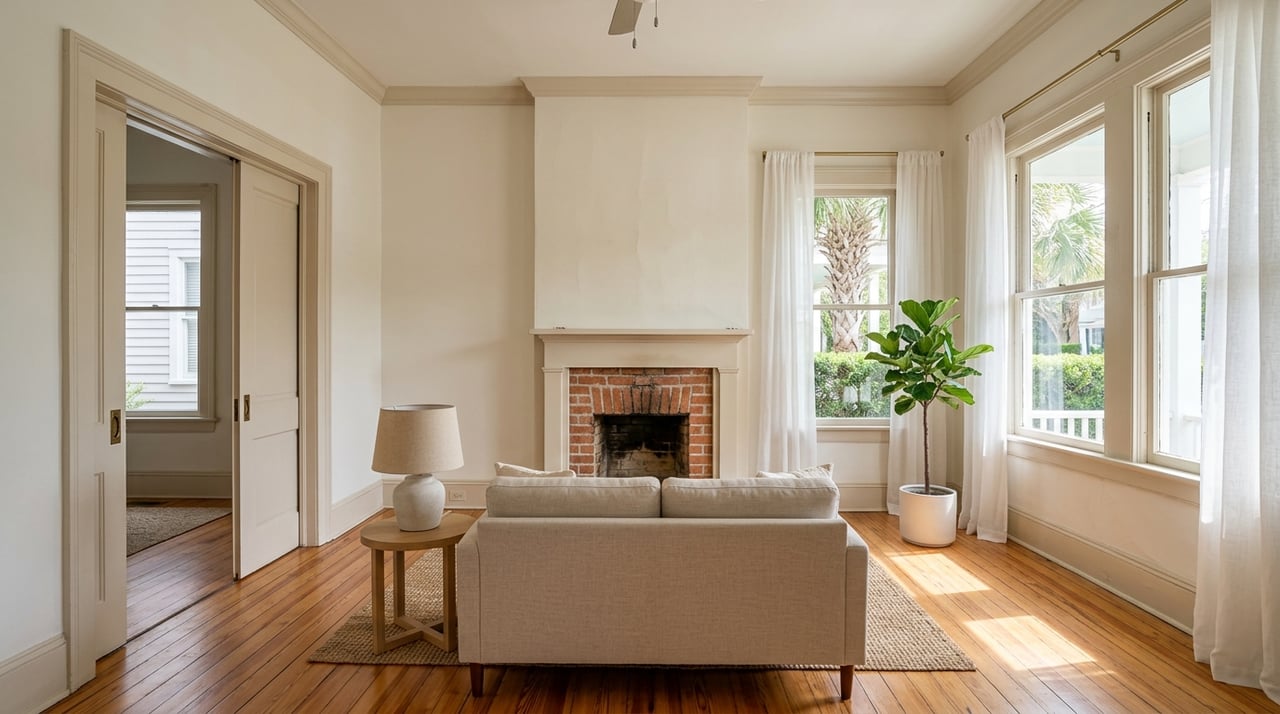
When you get a historic home ready for the market, the goal is not to make it look generic. The better approach is to make it feel cared for, functional, and inviting while keeping the features that give it personality.
The National Park Service rehabilitation standards emphasize retaining historic character, preserving distinctive materials and craftsmanship, and repairing original elements rather than replacing them when possible. If replacement is necessary, the new work should match the old in design, color, texture, and, where possible, materials.
For you as a seller, that means it is usually wiser to highlight authenticity than to over-modernize. Buyers looking at a Historic Uptown home are often drawn to what has been preserved, not what has been stripped away.
What to do before listing
A practical pre-listing plan may include:
- Photograph original features before any work begins
- Gather permits, repair invoices, and contractor estimates
- Address visible condition problems that may distract buyers
- Clean, declutter, and improve curb appeal where practical
- Consider staging to help buyers picture how the home lives today
- Avoid cosmetic updates that make the home feel bland or disconnected from its era
A pre-sale inspection is not required, but it can be useful. According to NAR’s consumer guidance, it can help identify issues with the roof, HVAC, plumbing, electrical systems, and appliances before buyers raise them during negotiations.
What buyers may notice first
In a historic home, buyers often respond quickly to signs of care or neglect. Peeling paint, worn wood, outdated systems, or visible moisture concerns can influence their offer even if they love the architecture.
That does not mean you need to renovate everything. It means you should fix the issues that interrupt confidence while preserving details that reinforce the home’s identity.
Know the Local Review and Permit Issues
Before you start exterior work, it is smart to confirm your property’s historic status. The City of St. Petersburg maintains a Historic Preservation GIS map with layers for local landmarks, national register landmarks, historic districts, and contributing resources.
This matters because city code requires certain work covered by the historic and archaeological preservation overlay to have a certificate of appropriateness before the work begins. The city also notes that structures in locally or nationally designated historic districts may not be exempt from permit requirements.
Why this affects your sale timeline
If you begin repairs or improvements without checking status and permit rules first, your timeline can stretch out fast. That is especially true if your property is in a designated historic district or if the work touches exterior features subject to review.
For sellers, the key lesson is simple: start early. Even small pre-listing projects can take longer than expected when historic review or permitting applies.
Flood Zones Can Add Another Layer
In Pinellas County, everyone is in a flood zone, and flood zones are different from evacuation zones. That is important context for Historic Uptown sellers, especially when repairs or updates are planned before listing.
The City of St. Petersburg’s permit guidance notes that projects in designated flood zones must comply with substantial-improvement requirements and may need a cost breakdown even for work that might otherwise be exempt. In other words, flood-related rules can affect how quickly pre-listing work moves forward.
Pinellas County also states that homes in high-risk flood zones with a federally backed mortgage must carry flood insurance, and flood insurance is separate from standard homeowners insurance with a 30-day wait before coverage starts. For a seller, this is one more reason to prepare paperwork and disclosures early rather than waiting until a buyer is already at the table.
Get Disclosures Ready Early
Older homes often come with extra disclosure steps, and timing matters. Handling these items upfront can help reduce stress once you are under contract.
If your home was built before 1978, the EPA says most pre-1978 housing is covered by the Lead-Based Paint Disclosure Rule. Sellers must disclose known lead-based paint hazards, provide the EPA pamphlet, and allow buyers a 10-day period for a lead inspection or risk assessment.
Florida sellers also need to disclose known defects in sanitary sewer laterals before executing a contract. In addition, a flood disclosure must be provided to a residential buyer at or before contract execution.
A smart disclosure checklist
Before you list, gather:
- Age-related property records you already have
- Known repair history and invoices
- Permit records
- Flood-related information if applicable
- Sewer lateral defect information, if known
- Lead-related disclosure materials for applicable homes
Clear documentation helps buyers feel more confident. It can also reduce last-minute scrambling during negotiations.
Market the Home’s Authenticity
When it is time to market the property, your strongest story is often not just square footage or recent updates. In Historic Uptown, buyers may respond most to a home that feels authentic, cared for, and ready for its next chapter.
That means your marketing should emphasize preserved details, thoughtful maintenance, and the overall experience of the home. Original materials, architectural features, and craftsmanship can all support your positioning when the home is also clean, functional, and presented well.
If your home has charm but also some maintenance needs, it is better to set honest expectations. Current market data suggests sellers are not automatically receiving large premiums just because a property is in Historic Uptown. Sellers tend to perform best when they price realistically, present the home carefully, and anticipate buyer concerns before they become negotiation points.
What a Realistic Selling Timeline Looks Like
Based on current neighborhood data, a Historic Uptown home may take about 47 to 48 days to sell. That is a useful benchmark, but it is not a promise.
Your actual timeline can shift based on price, condition, disclosure readiness, permit issues, and whether the property has flood-zone or historic-review complications. The more preparation you do before listing, the more control you usually have over the timeline once buyers start coming through.
Sell with a Local, Steady Plan
Historic homes need more than a basic listing strategy. You need pricing that reflects today’s market, preparation that respects the home’s character, and a plan for permits, disclosures, and buyer expectations.
That is where local guidance can make a real difference. If you are thinking about selling in Historic Uptown, Judy Anderson can help you build a thoughtful, neighborhood-specific plan that protects your home’s story while positioning it for today’s market.
FAQs
How much are homes selling for in Historic Uptown right now?
- Recent 2026 data in Historic Uptown shows sale prices around $639,762 to $642,500, with listing prices often higher in the high-$600,000s to low-$700,000s.
How long does it take to sell a home in Historic Uptown?
- Current market data suggests about 47 to 48 days on market, though pricing, condition, disclosures, and permit issues can make that shorter or longer.
Do you need to replace original windows before selling a historic home?
- Not necessarily. The National Park Service says historic features should be repaired rather than replaced when possible.
Should you get a pre-listing inspection for a Historic Uptown home?
- It is not required, but it can help you identify issues with major systems and reduce surprises during buyer inspections.
Can historic district rules affect pre-sale repairs in St. Petersburg?
- Yes. Certain work in designated historic areas may require review, and some projects may need a certificate of appropriateness or permits before work begins.
Do flood-zone rules matter when selling a home in Pinellas County?
- Yes. Pinellas County states that everyone in the county is in a flood zone, and flood-related rules can affect insurance, disclosures, and some repair timelines.
What disclosures matter most for older homes in Historic Uptown?
- Depending on the home, key items may include lead-based paint disclosures for most pre-1978 homes, known sanitary sewer lateral defects, and required flood disclosures at or before contract execution.